
Buy, sell, remove, clear and plan with one Rackway team rather than passing the job between multiple suppliers.
CASE STUDIES
Real projects.
Across the UK.
Rackway case studies cover large strip-outs, high-bay racking, mezzanines, shelving and equipment reuse from 2021 to the present.


PAST CASE STUDIES
Large clearances.
Real warehouse work.
Projects currently listed on Rackway’s live site, from the 2025 Derby distribution-centre clearance back through the 2021 case studies.
2025
Derby - 2025
Former Ted Baker distribution centre strip-out carried out from February to April 2025.
View project →2024
Wiltshire - 2024
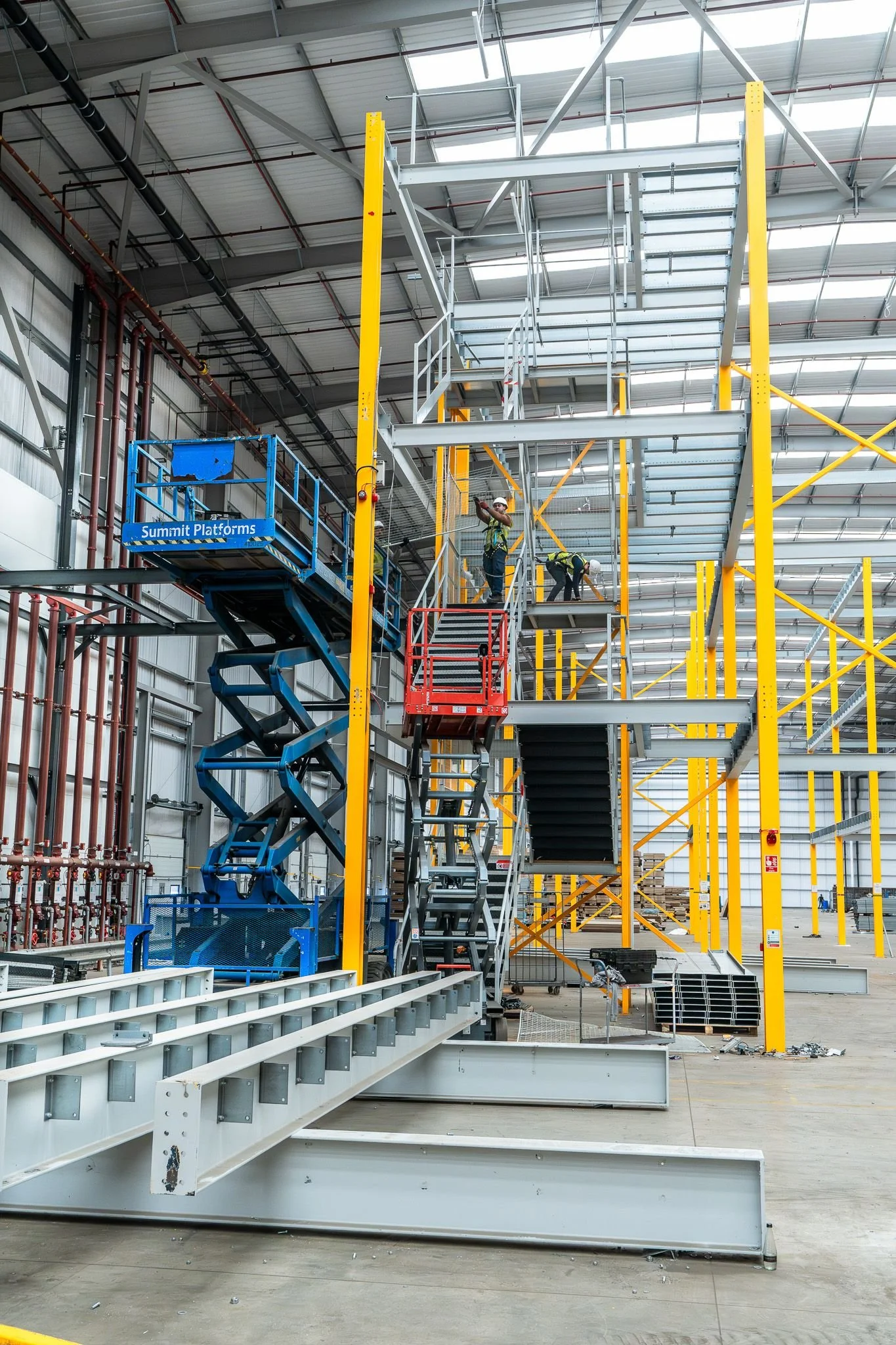
Major mezzanine and high-bay racking removal project.
View project →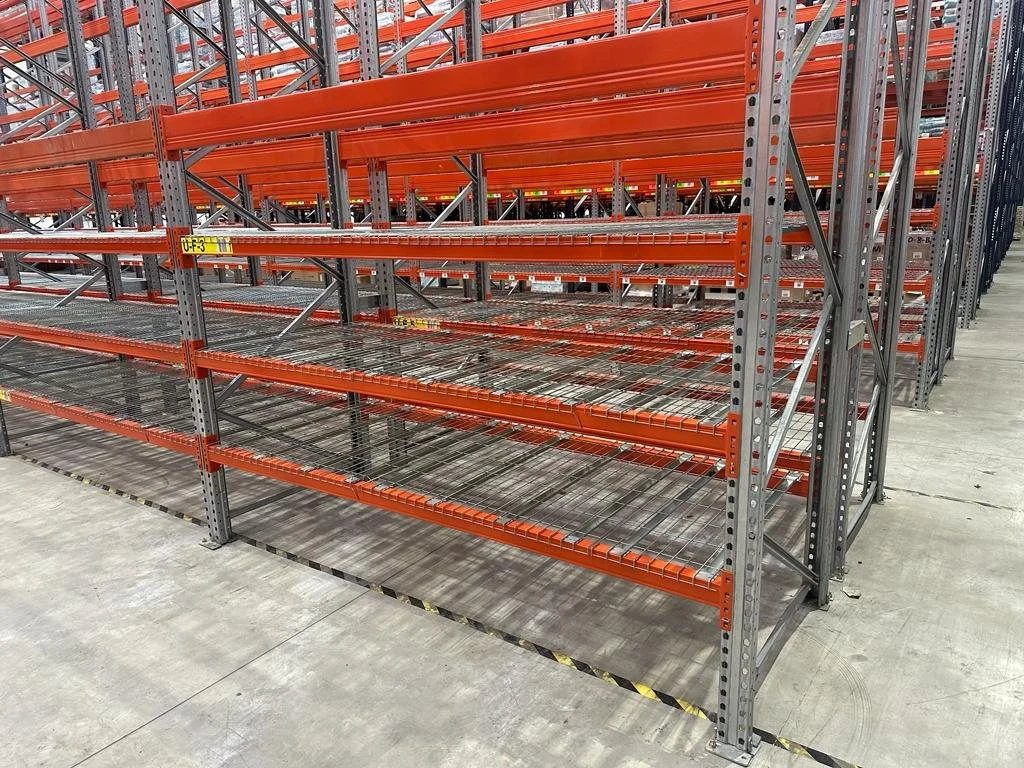
2023
Erith - 2023
800 bays of AR pallet racking purchased and removed.
View project →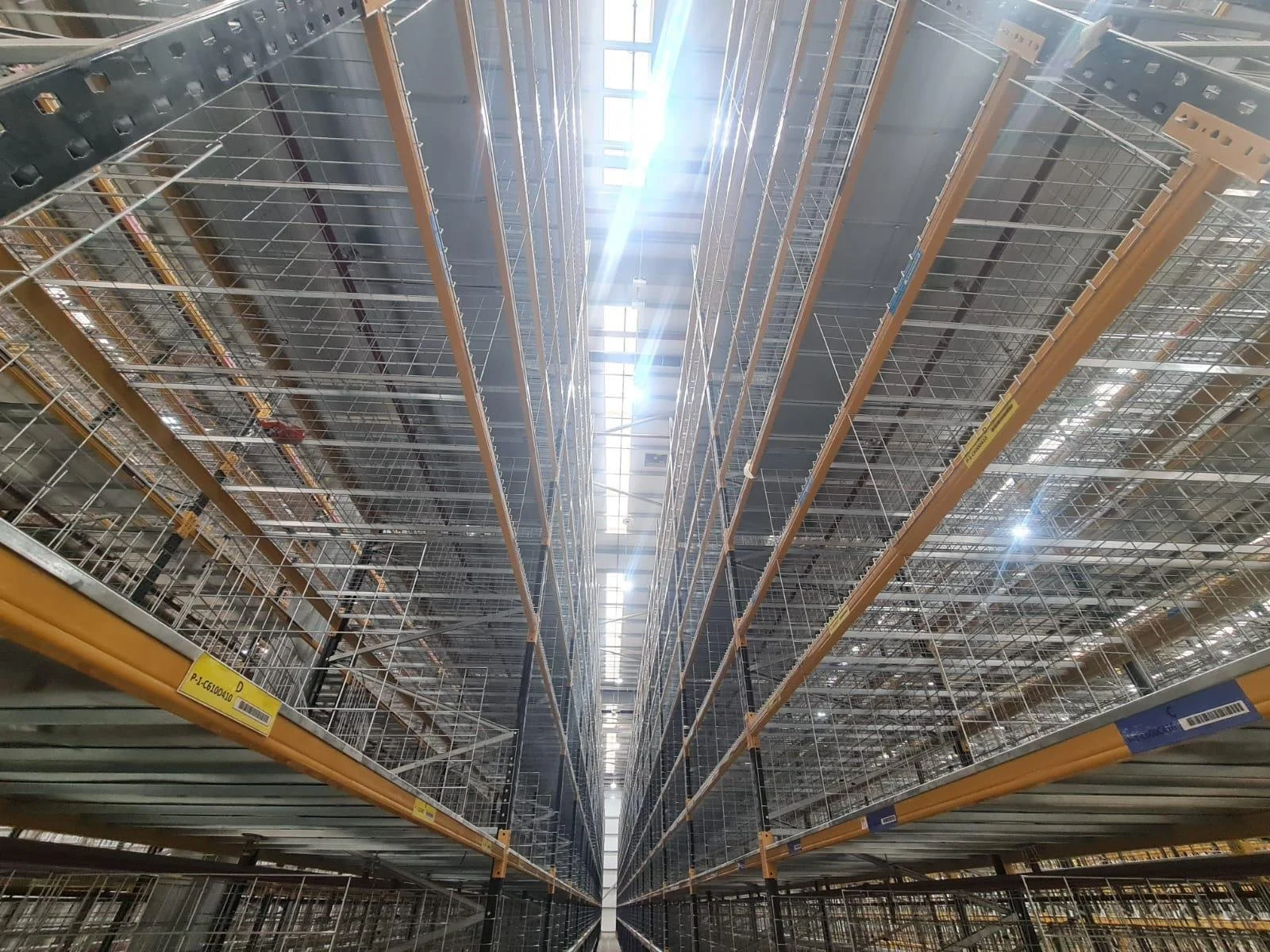
2023
Doncaster - 2023
Large Link 51 dismantling programme in Doncaster.
View project →2023
Gloucester - 2023
High-bay Link 51 project completed on programme.
View project →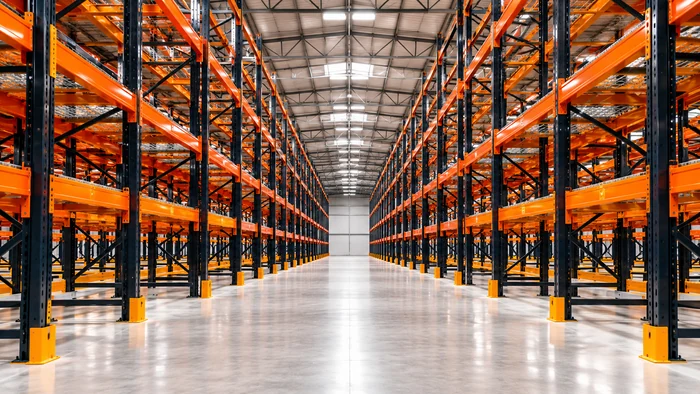
2022
Glasgow - 2022
3,000 bays of shelving dismantled from a complex mezzanine environment.
View project →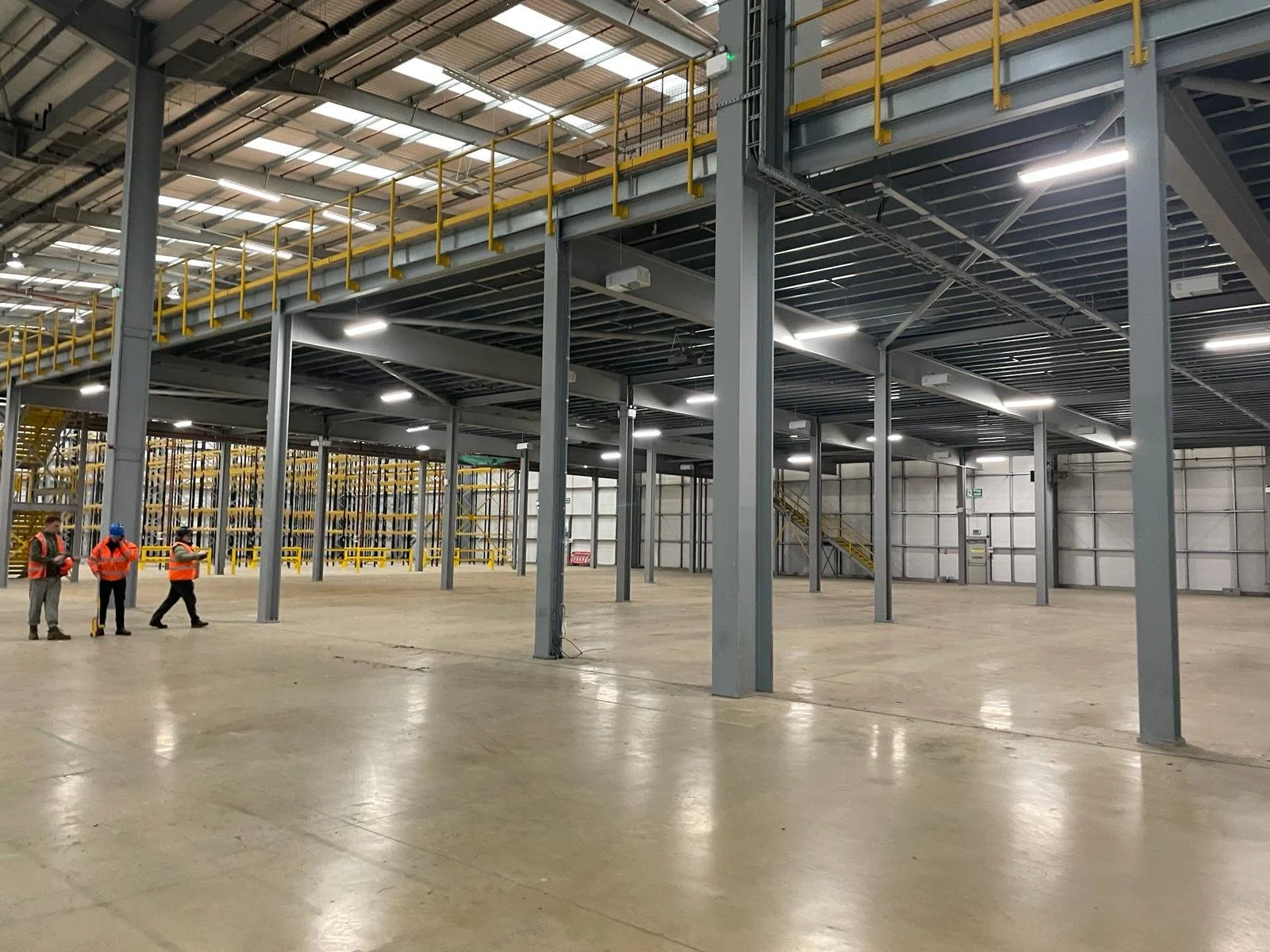
2022
Rushden - 2022
Large elevated mezzanine floor dismantling project.
View project →
2022
Greys Essex - 2022
Purchase and removal of high Storax pallet racking.
View project →
2022
Eastbourne - 2022
Removal programme completed despite a partially dismantled building and restricted access.
View project →
2021
Back to Bedford - 2021
Fast freezer-room racking removal completed at short notice.
View project →
2021
Bedford - 2021
Cantilever racking dismantled and removed within a tight collection window.
View project →2021
Oxford - 2021
Mixed pallet racking removed rapidly just before Christmas.
View project →2021
Corby - 2021
Heavy drive-in racking and mezzanine removed with detailed H&S planning.
View project →WHY RACKWAY
Practical warehouse work.
One team.
Rackway’s current site positions the business around buying and selling storage equipment, safe removals, stock availability and a straightforward approach to getting projects completed.
Rackway’s published work covers everything from smaller storage jobs to major high-bay and mezzanine strip-outs.
Used racking and storage equipment can move from clearance projects back into useful stock for future customers.
Rackway combines its Reigate base and local contact points with project work across the UK.
RECENT RACKWAY WORK
Projects that show
the scale.
A few examples from Rackway’s published case-study archive, covering high-bay pallet racking, mezzanine floors, shelving and large strip-outs.
COMMON QUESTIONS
Useful answers.
Before you call.
Quick answers to the questions customers commonly need when buying, selling, removing or planning warehouse racking.
What kinds of projects are included?+
The current case-study archive includes pallet racking, shelving, mezzanine floors, high-bay installations and large-scale strip-outs.
Are these Rackway projects?+
Yes. The case-study list and project descriptions are based on the projects published on Rackway’s current website.
Can Rackway reuse equipment from one project on another?+
Some published Rackway case studies describe stock being removed from one site and then reused or sold into another project.
Can I discuss a similar project?+
Yes. Use the contact page or send the project details and photos to Rackway to start a discussion.
Do you work nationwide?+
Yes. Rackway handles projects across the UK and uses its local contact points as part of one nationwide team.
Can you help with small jobs?+
Yes. Rackway works from single bays and spare components through to major warehouse projects.
NEED A QUICK ANSWER?