Get In Touch
RACKING REMOVAL

Sell your racking.
We remove it.

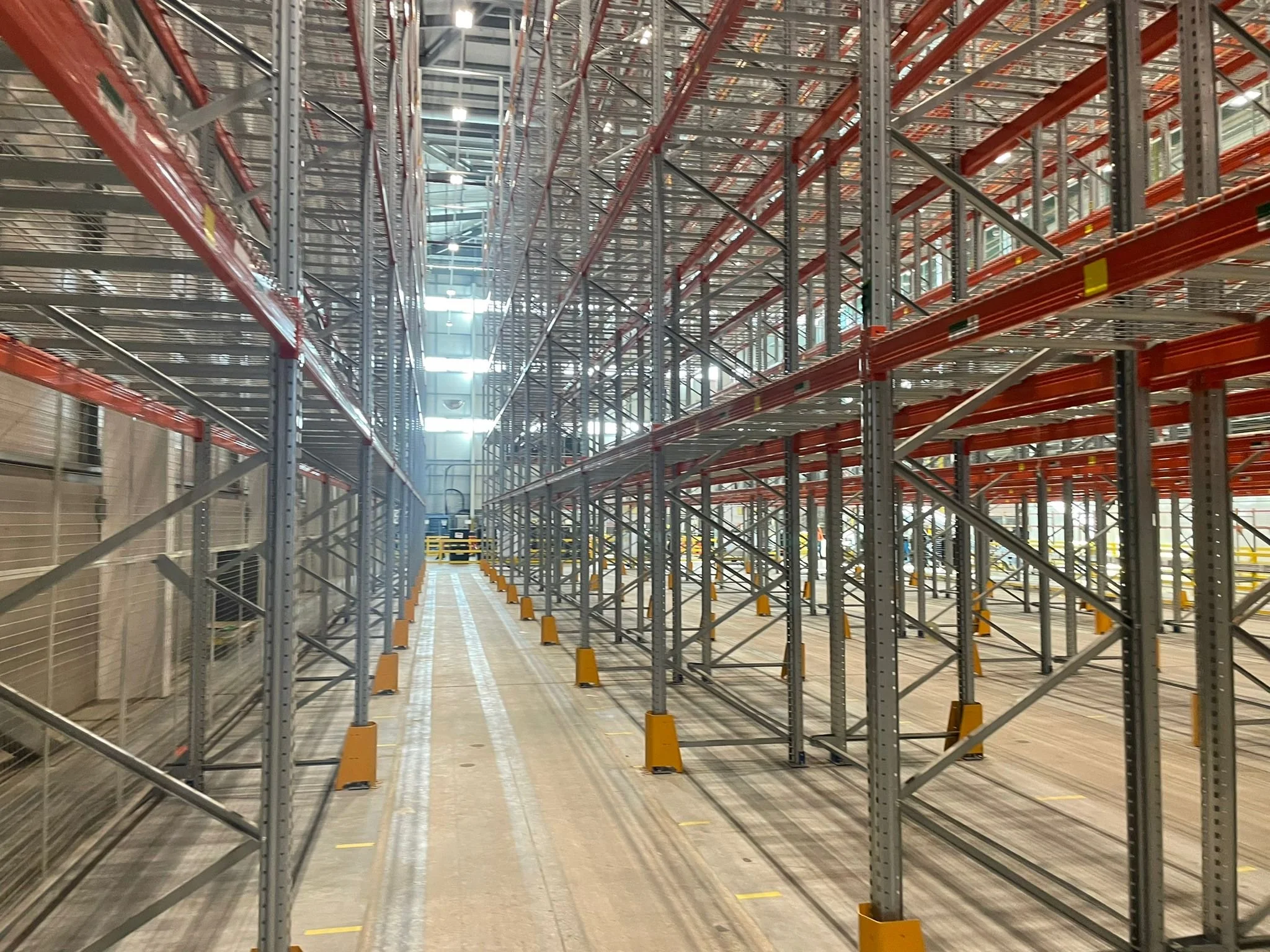
Rackway specialises in pallet-racking removal and warehouse strip-outs across the UK, providing labour, plant, transport and site coordination.
Sell your racking.
WHAT RACKWAY BUYS

More than
pallet racking.

Rackway’s removal service covers storage equipment and other reusable warehouse assets, with the team providing plant, labour, transport and a risk-assessed dismantling programme.

Pallet RackingHeavy Duty RackingShelvingMetalsistemApexLow Level RackingPlant & MachineryGeneratorsUsed ForkliftsHandling EquipmentMezzanine FloorsStillages
REAL RACKWAY EQUIPMENT

Storage equipment.
Plant and mezzanines.

Images below are taken from Rackway’s current racking-removal and used-racking pages.

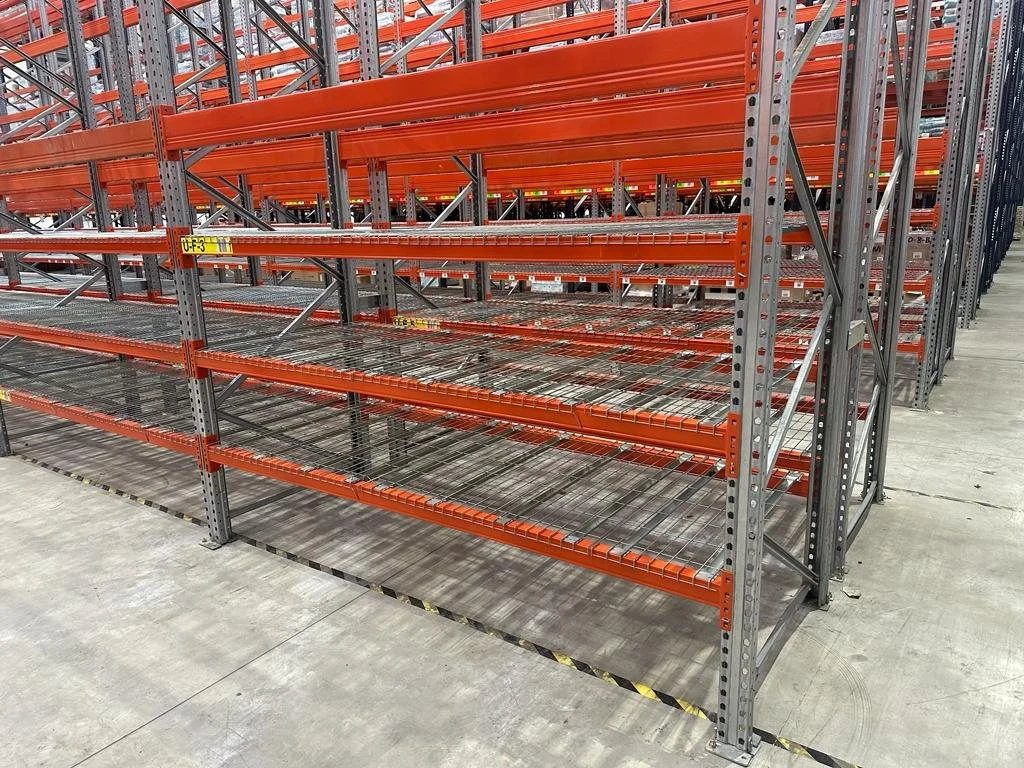
Pallet racking
Pallet racking
Apex racking
Apex racking
Used forklifts
Used forklifts
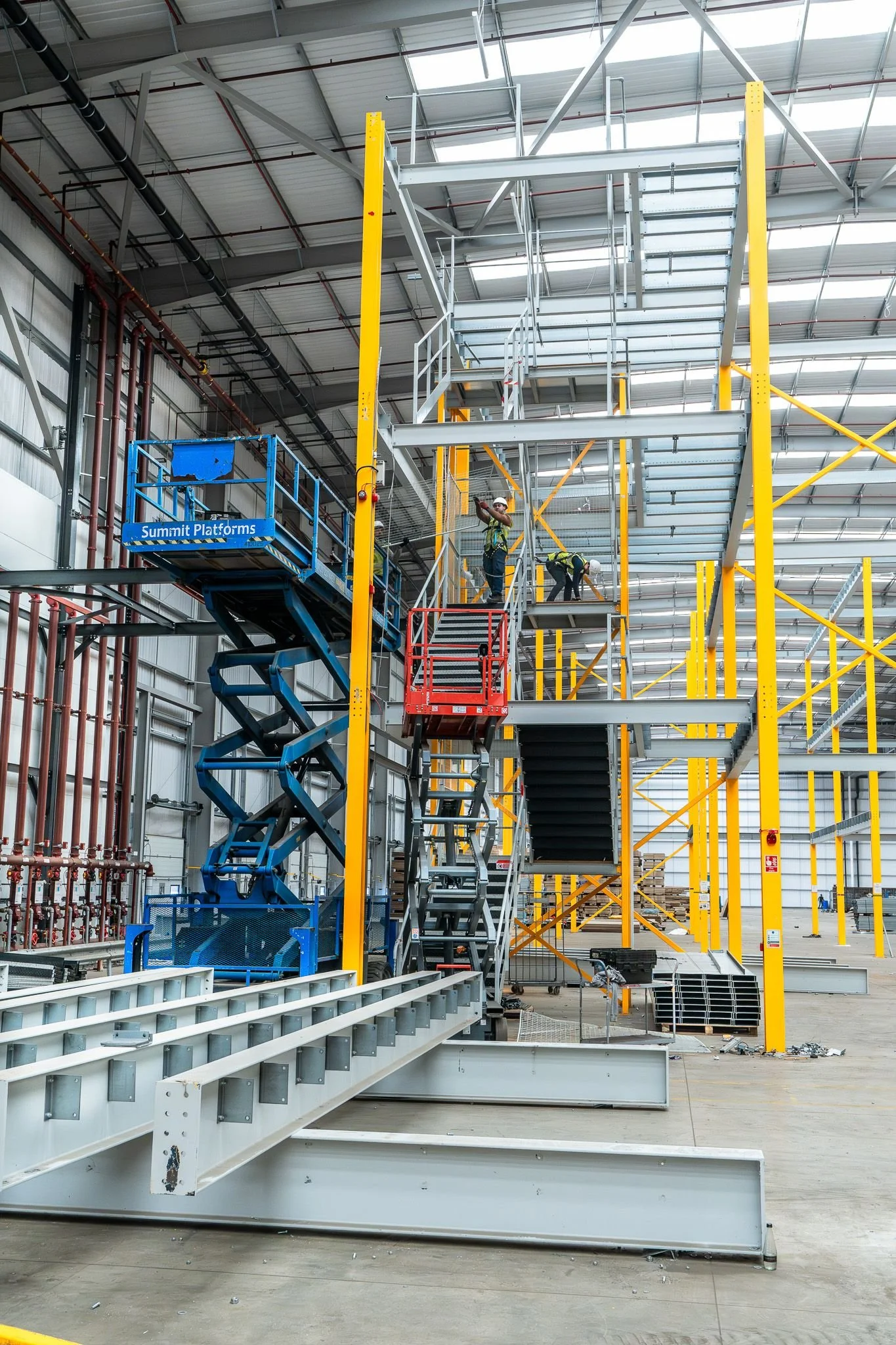
Mezzanine floors
Mezzanine floors
HOW IT WORKS

Sell it.
Rackway removes it.

01Contact & visitSend photos and quantities. A site visit is arranged where required.02Strip outTrained teams attend with the plant and labour required for dismantling.03PaymentWhere Rackway buys the equipment, payment is agreed before material leaves site.04RemovalRackway arranges transport and works to leave the area clean and safe.
Racking removal
FAST QUOTE

Photos. Quantity.
Postcode.

Those basics are normally enough to start an appraisal and decide whether a site visit is required.

Send photos on WhatsApp →
WHY RACKWAY

Practical warehouse work.
One team.

Rackway’s current site positions the business around buying and selling storage equipment, safe removals, stock availability and a straightforward approach to getting projects completed.

01One team

Buy, sell, remove, clear and plan with one Rackway team rather than passing the job between multiple suppliers.

02Practical experience

Rackway’s published work covers everything from smaller storage jobs to major high-bay and mezzanine strip-outs.

03Stock and reuse

Used racking and storage equipment can move from clearance projects back into useful stock for future customers.

04Nationwide capability

Rackway combines its Reigate base and local contact points with project work across the UK.

RECENT RACKWAY WORK

Projects that show
the scale.

A few examples from Rackway’s published case-study archive, covering high-bay pallet racking, mezzanine floors, shelving and large strip-outs.
USEFUL NEXT STEPS

Buying, selling
or clearing?

Move directly to the part of Rackway that matches what you need to do next.

Buy used racking

Browse the buying guide, understand common racking components and start a stock enquiry.

Buy racking →
Sell / remove racking

Send photos and site details for equipment you want Rackway to value, dismantle or remove.

Racking removal →
Warehouse clearance

Talk through a larger clearance involving storage equipment, plant, access and programme constraints.

Warehouse clearance →
COMMON QUESTIONS

Useful answers.
Before you call.

Quick answers to the questions customers commonly need when buying, selling, removing or planning warehouse racking.

Will Rackway buy the racking as well as remove it?+

Where the equipment is suitable for purchase, Rackway can value it, agree payment and manage dismantling and removal.

Do you bring the machinery needed for strip-out?+

Yes. Rackway describes its removal service as using trained teams with the machinery required to dismantle and remove the storage equipment safely.

What else can you remove?+

Rackway lists pallet racking, shelving, mezzanines, low-level racking, plant, generators, forklifts, handling equipment and stillages among the equipment it considers.

How quickly can you quote?+

Photos, approximate quantities and the site postcode are the best starting point. A site visit can then be arranged if needed.

Do you work nationwide?+

Yes. Rackway handles projects across the UK and uses its local contact points as part of one nationwide team.

Can you help with small jobs?+

Yes. Rackway works from single bays and spare components through to major warehouse projects.

NEED A QUICK ANSWER?

Send the basics.
Rackway can take it from there.

WhatsApp Rackway →Contact →
RACKWAY EXPERTISE

Useful detail.
No unnecessary waffle.

What affects value, access, programme and removal — explained clearly before Rackway prices the job.

SELL / REMOVE RACKING

Start with what is on site and what the building needs to become.

Rackway’s racking-removal service is built around purchasing reusable warehouse equipment and organising the labour, plant and transport needed to dismantle and remove it.

A removal project can be as simple as a few bays in an empty unit or as complex as thousands of bays, high-bay structures, shelving and mezzanine floors in a live distribution building. The first conversation should therefore cover both the equipment and the site. Rackway needs to understand what is available, where it is, the likely quantity, access conditions, deadline and whether other contractors or operations will remain on site.

VALUATION FACTORS

Value is not just the original purchase price.

Used warehouse equipment is valued for its current reuse potential and the work required to recover it.

Factors can include make, specification, quantity, condition, market demand, completeness, height, beam sizes, accessories, location and the labour/plant/transport needed to remove it. A large quantity of a common, reusable system in good condition may be attractive; a small quantity of heavily damaged or difficult-to-identify material may have a different recovery value.

SITE SURVEY

A removal method starts with the building.

Before a complex strip-out, the project team needs to understand the structure, access, operating environment and interfaces with other work.

A useful survey looks at vehicle approach, loading doors, dock levellers, floor condition, available lay-down areas, ceiling height, services, fire routes, pedestrian routes and any zones that must remain operational. It also records the installed equipment: height, configuration, bracing, anchoring, decking, guards and any unusual modifications.

LIVE WAREHOUSE REMOVALS

Keep the removal operation separate from normal traffic.

Some projects happen while another part of the warehouse continues to trade.

That introduces additional interfaces: forklift routes may cross loading routes, staff may need access to nearby doors, fire exits must remain available, and work noise or dust may affect operations. A phased handover can work better than opening a huge workface at once.

LOADING AND TRANSPORT

The project is not complete when the last beam reaches the floor.

Material still needs to be sorted, moved, loaded and transported safely.

Long beams, tall frames and structural steel can require careful loading and load restraint. Vehicle type, loading direction, maximum component length and available site space should be considered before the first lorry arrives. For busy sites, timed collections can stop the loading area becoming congested.

REUSE BEFORE SCRAP

A removal project can recover equipment for another warehouse.

Rackway’s business model is based on buying and selling used storage equipment, and several published case studies describe material being sold or reinstalled elsewhere.

Erith’s AR pallet racking was later used in a Nottingham installation. Greys Essex stock went to a transport business in Crawley. Eastbourne racking was sold from site to a Midlands customer. Rushden mezzanine steel was partly reinstated for a London customer, with remaining metalwork recycled.

LEASE EXIT AND CLEARANCE

Work backwards from the handback date.

A warehouse exit often has a fixed deadline and multiple workstreams competing for the same doors, yard and power.

Create a programme that includes stock run-down, equipment isolation, racking/mezzanine removal, plant collection, cleaning, repairs and landlord inspection. Do not schedule every contractor to use the same loading door in the final week. If the racking has resale value, early assessment can also help decide which assets should be preserved for reuse rather than damaged during other works.